

10 effective solutions for Adult Acne starts with real-world, evidence-driven answers for adults facing persistent or new breakouts in their 30s and 40s. Adult acne is surprisingly common, uniquely challenging, and often emotionally draining—especially when treatments have failed before. If you want clear skin, know your root causes, get realistic on cost and outcomes, and see which solutions are worth your time, this guide is for you.
Key Takeaways
- Adult acne is extremely common in your 30s and 40s—nearly 40% face it—mostly driven by hormones, stress, and genetics, not just skincare habits.
- Actionable treatment requires a mix of topical, systemic, and lifestyle approaches—plus cost-aware paths and honest help for the psychological impact.
- Very few adults see a dermatologist early—but tailored medical advice is often the fastest way to clear, lasting skin.
- Why this matters now — adult acne by the numbers
- How adult acne differs from teenage acne (the hormonal & location clues)
- Root causes: medical drivers and lifestyle contributors
- Real pain points adults report about acne & treatments
- 10 effective solutions for Adult Acne — the actionable list
- Evidence-based skincare routine for adults
- Hormonal acne treatments adults should know
- Three important angles competitors often miss
- Cost & access — required research tasks for the writer
- Emerging treatments & approvals
- Practical timelines, escalation ladder & when to see a dermatologist
- FAQs, myth-busting & quick takeaways
- Conclusion + 10-step clear-skin action plan
Why this matters now — adult acne by the numbers
Adult acne is not a rare exception or a personal failing—it’s the rule for nearly half of people in their 30s and more in their 40s. New U.S. data shows 41% of Americans in their 30s currently experience acne, while 52% in their 40s still deal with breakouts. In the 30–45 age bracket, 39% are managing acne right now. Globally, acne affects an estimated 9.4% of people, or 50 million Americans a year. This isn’t a teen problem anymore—it’s part of your adult health puzzle, and you’re far from alone.

How adult acne differs from teenage acne (the hormonal & location clues)
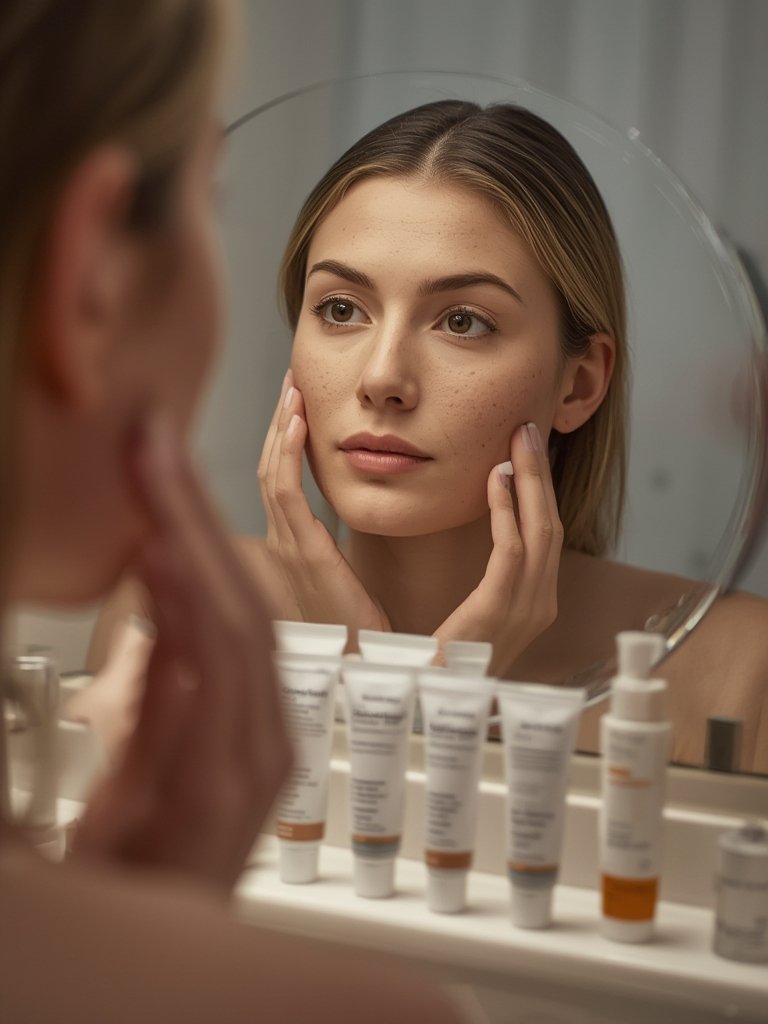
What sets adult acne apart isn’t just age—it’s often where and how breakouts show up. In adults, acne typically targets the jawline, chin, and neck, not the classic teenage T-zone. For many, especially women, jawline and lower-face breakouts are a hormonal fingerprint. Among adult women, 75–85% have persistent acne from their teens; 20–40% get late-onset acne for the first time as adults (source). Unlike teenage acne, adult acne is often deeper, slower to resolve, and more likely to leave marks or pigment changes. Recognizing these patterns helps guide your treatment choices for a faster, more effective clear skin routine.
Root causes: medical drivers and lifestyle contributors
Adult acne usually starts with internal shifts beyond your control. Fluctuating hormones (menstrual cycles, pregnancy, menopause) and genetics top the list (source). Stress, the most-cited lifestyle culprit (source), triggers cortisol spikes that rev up oil glands and inflammation. Other contributors include high-glycemic diets (think: white bread, snacks), frequent mask use or phone contact, heavy/waxy makeup, sweating (without cleansing after), and long hours on digital devices. Why does this matter? Addressing what you can change makes any medical routine work faster, and understanding what’s not your fault helps take the shame out of adult breakouts.
Real pain points adults report about acne & treatments
The impact of acne in adulthood isn’t just skin deep. In one survey, 41% of adults with acne said it hit their social confidence; 38% use makeup to conceal, 1 in 4 edit photos, and half avoid posting pictures online (source). Frustration with slow or failed treatments is routine—one in three say their acne gets worse as they age. Despite these numbers, only 1 in 10 adults in their 30s or 40s actually see a dermatologist. The fallout? Shame, hiding, job interview anxiety, and constant expense on “miracle” products with limited payoff. Recognizing this cycle is the first step toward a new, more strategic approach.
10 effective solutions for Adult Acne — the actionable list
The best acne treatment for adults isn’t a one-size-fits-all cream. It’s using the right tool at the right time—medical, topical, or lifestyle—and knowing when to escalate. Start with what you can access easily and don’t hesitate to consult a dermatologist (only 1 in 10 adults 30–45 do!).
- See a dermatologist for a tailored plan (Immediate, if OTCs fail in 8–12 weeks).
Most adults need a unique blend of Rx and lifestyle solutions—plus, your insurance may cover part of the cost. Early expert advice prevents scarring and endless product shopping. - Use topical retinoids (adapting for adult skin) (Results in 8–12 weeks).
Retinoids like adapalene or tretinoin address clogged pores, dark spots, and fine lines. Go slow: alternate nights and moisturize to reduce dryness. - Try benzoyl peroxide +/- combo topicals (2–6 weeks for early improvement).
Benzoyl peroxide kills bacteria and lowers inflammation. Paired with clindamycin or adapalene, it’s even more effective and often available OTC. - Switch to azelaic acid (6–12 weeks for pigment + acne reduction).
Azelaic works well on hormonal/cystic breakouts and post-inflammatory hyperpigmentation (PIH)—with low risk for irritation or bleaching of clothes. - Consider oral hormonal therapies (for women)—combined oral contraceptives (OCPs), as prescribed.
Discuss risks and benefits with your doctor, especially if you’re over 35, smoke, or have migraine history. - Use spironolactone (Rx; for many adult women) (2–3 months for result, ongoing for control).
This anti-androgen blocks testosterone’s effect on oil glands. Requires blood test monitoring—dermatologist oversight is critical. - For severe/refractory acne: oral isotretinoin (Accutane) (4–6 months).
Highly effective but has stricter eligibility, side effects, and monitoring needs. Reserved for scarring/cystic cases not helped by other means. - Try in-office procedures (chemical peels, lasers) (1–6 sessions; fast-acting results for many).
Professional peels, microneedling, or fractional lasers can clear blocked pores, tackle pigment, and help smooth scarring. - Make realistic lifestyle and stress-management changes (Ongoing).
Prioritize sleep, cut high-sugar foods, switch to breathable makeup, and manage device hygiene. These steps supercharge medical results. - Embrace concealment + psychological support while treating
Camouflage with non-comedogenic makeup, photo filters, or support groups. You’re waiting weeks to months for full clearing—give yourself a break.
For a deeper dive into proven topical and lifestyle solutions (like retinol and salicylic acid), see our related article 10 effective solutions for Adult Acne.
Evidence-based skincare routine for adults (how to tailor routines for hormonal breakouts)
Adults need a gentler, more targeted approach than teens. Here’s a dermatologist-inspired routine:
- AM: Use a gentle, non-stripping cleanser. Apply a lightweight non-comedogenic moisturizer. Finish with a broad-spectrum SPF 30+ sunscreen—yes, even if your skin is oily.
- Spot treat (as needed): Use benzoyl peroxide or azelaic acid on active inflamed lesions.
- PM: Cleanse again. Alternate nights: apply a pea-sized amount of topical retinoid (e.g., adapalene or RX tretinoin). Follow all active nights with a simple moisturizer. On off nights, use moisturizer only. If skin is irritated, scale back actives but stick with SPF and gentle cleansing.
When should routines shift? If your breakouts are mostly jawline/cystic and hormonally linked, escalate to oral therapies or see a dermatologist early. Consider products gentle enough for sensitive aging skin—avoid over-drying or harsh scrubs. See our full adult acne scar guide for transformation tips post-clearing.
Hormonal acne treatments adults should know (what works, who to test, and red flags)
Hormonal breakouts often demand more than skincare alone. Signs include: jawline/chin cysts, flares with periods, late-onset acne, or rapid changes after starting/stopping birth control. Options:
- Combined OCPs: Help many women with persistent or cyclic jawline breakouts, if no contraindications (check with your PCP/gyn).
- Spironolactone: The adult dermatology favorite for women with hormonal or resistant acne—especially effective against chin/jawline cysts. Requires ongoing medical follow-up.
- Referral to endocrinologist: Needed if acne appears with abnormal periods, hair loss, or other hormone imbalance symptoms. Early testing catches treatable underlying issues.
Remember, adult acne is more commonly hormonal in nature—if 75–85% of adult women persist with it, aggressive treatment may be justified early. Jawline acne is a major hormonal “red flag” (source).
Pregnancy, PCOS, and perimenopause can all shift treatment needs. When considering systemic options, discuss drug safety if planning pregnancy.
For maintenance or added information on proven acne ingredients, check our detailed Anti-Aging skincare: Must Have ingredients for firmer skin article.
Three important angles competitors often miss
- Transparent 2024 cost breakdowns & insurance navigation: Most guides skip real pricing for dermatology consults, Rx generics (spironolactone, OCPs, isotretinoin), or in-office procedures. It’s critical for adults balancing budgets and results.
- Long-term hormonal management & monitoring: Success relies on sticking with follow-ups and monitoring side effects—too many guides frame treatments as “one and done.” Hormonal therapies demand regular labs and doctor input.
- Psychosocial coping and practical camouflage: Adults use makeup, photo filters, and avoid career/social events out of frustration. Evidence-based coping, support resources, and non-comedogenic makeup tips hugely impact quality of life while awaiting visible clearing.
Most adults with persistent acne (only 1 in 10 see a derm) face barriers beyond picking a product—so break the cycle with a strategic, holistic approach.
| Treatment Step | Average Out-of-Pocket Cost (USD)* | Insurance/Access Notes | Practical Barrier |
|---|---|---|---|
| Dermatologist Initial Visit | $120–$250 | Usually partially covered; copays $30–$60 | Waitlist, referral needed, travel |
| Follow-up Visits | $80–$150 | Often covered/discounted—check telederm | Time off work, limited availability |
| Rx Topicals (retinoid, azelaic acid) | $15–$70/month (generic) | Generics widely available via coupon/GoodRx | Insurance denial; side effect fears |
| OTC Topicals (benzoyl peroxide, adapalene) | $10–$25/month | No Rx needed, easy in stores/online | Trial/error overload, ingredient confusion |
| Oral therapies (spironolactone, OCPs) | $5–$35/month (generic, with coverage) | Prescribed, labs needed at intervals | Must see provider, pill side effects |
| Oral isotretinoin (“Accutane”) | $250–$500/month (with labs, monitoring) | Prior auth required, iPledge enrollment | Strict regulations, side effects |
| In-office procedures (peels, lasers) | $100–$400/session | Rarely covered; package discounts possible | Cost, time, minor downtime |
*Costs reflect U.S. urban/suburban averages from GoodRx, AMA, telederm clinics, and direct insurance estimates for 2024. Always verify with your provider.

Cost & access — required research tasks for the writer (2024 pricing & insurance notes)
Pricing breakdown by category:
- Dermatologist initial consult: $120–$250 cash price (with insurance, copays $30–$60). Follow-ups $80–$150. Teledermatology/online consults may offer $50–$100 visits—covered by many plans.
- Prescription topicals (adapalene, tretinoin, azelaic acid generic): $20–$60 per tube/month. Discount cards and GoodRx are valuable for uninsured.
- Spironolactone/OCPs: $8–$35/month generic; brand OCPs or complex hormonal meds higher. Regular blood work may add $40–$80 per test.
- Isotretinoin: $250–$500/month including mandatory labs (higher for uninsured). iPledge and monthly monitoring are required.
- OTC topicals (OTC adapalene and benzoyl peroxide): $10–$25/month.
- In-office peels/lasers: $150–$400/session. Most adult patients need 2–4+ sessions for visible results.
Insurance tips: Always check copays, preauthorizations, and the formularies for generics. Many community clinics or teledermatology platforms offer sliding scales or coupons for uninsured adults. If costs are the main barrier, ask your provider about generic options and OTC substitutions.
For detailed insurance and access guidance related to other skin concerns, see our article on Redness and sensitive skin: Best Practices for Calm skin.
Emerging treatments & approvals (research task for 2023–2024 evidence)
As of early 2024, few major new prescription or device approvals dramatically change first-line adult acne care. On the horizon:
- Clascoterone cream (Winlevi®): A topical androgen blocker, approved in recent years, offers a new option (especially for hormonal breakouts)—available by prescription and safe for most adults.
- New light-based devices: Advances in FDA-approved home and in-office blue/red light therapies offer incremental improvements but are an added, not core, component.
- Expanded teledermatology and e-pharmacy access: Not a treatment, but recent insurance changes make it easier to consult a dermatologist affordably and start Rx therapy quickly.
No dramatic new oral agents or blockbuster topicals have emerged as standard of care since late 2023. Always monitor for new trials and check AAD updates or FDA announcements for future changes.
Practical timelines, escalation ladder & when to see a dermatologist
Be honest: Even the best acne treatment takes patience. The typical timeline for topical actives (retinoids, benzoyl peroxide, azelaic acid) is 8–12 weeks for clear improvement; oral therapies take 2–3 months, sometimes longer. Hormonal solutions (OCPs, spironolactone) demand 2–4 months before full effects settle in.
Red flags & escalation ladder:
- Painful cysts, nodules, or lesions that scar or suddenly worsen after age 30
- Acne with sudden hormonal changes (missed periods, excess hair growth)
- Failed 8–12 weeks of OTC topicals OR worsening after standard Rx use
- Psychological distress—skipping work, avoiding social events, or signs of depression
If you see these signs, or if self-managed acne lingers past 3 months, book a dermatology consult. Delaying professional care (as 90% of adults still do) increases the risk of lifelong pigment changes or scars. For more on stepping up your skin routine, see our Minimalist skincare routine: fewer products, better results article.
Patient Scenario: Sarah, a 34-year-old manager, noticed deep, tender jawline cysts six months after changing jobs and skipping her usual wellness routines. After two months of OTC benzoyl peroxide and adapalene, results stalled. Her dermatologist quickly started spironolactone and a gentle retinoid, and recommended stress management—three months later, breakouts faded, her skin glowed, and photo anxiety was history.
FAQs, myth-busting & quick takeaways
Can adult acne be “cured,” or will I always be fighting it?
Most adults achieve long remissions with the right medical and lifestyle steps—but “cure” is rare. Expect to maintain a simple routine even after clearing.
Is it safe to use retinoids or acne meds during pregnancy?
Topical retinoids and several oral meds (like isotretinoin, spironolactone) must be avoided in pregnancy. Always inform your provider if you may become pregnant for alternatives.
Does eating chocolate or greasy food really cause breakouts?
Evidence points more to high-glycemic diets (white bread, sugar) than chocolate or greasy foods. Balanced diets rich in plants, omega-3s, and low in refined carbs may help reduce inflammation overall.
Can stress alone cause adult acne?
Stress doesn’t directly “create” acne, but it does boost hormones that increase oil production. Managing stress helps but isn’t a solo cure—combine with good skincare and, if needed, medications.
Is adult acne more common in women than men?
Yes—over half of women older than 25 have facial acne, and a third of office visits are women over 25. Jawline, chin, and neck breakouts are particularly common among adult women.
- Nearly 40% of adults 30–45 have acne right now—adult acne is normal, not your fault.
- “Skincare cycling” without addressing hormones or lifestyle rarely works long term.
- Use a gentle cleanser, non-comedogenic moisturizer, and SPF daily—less is more.
- Start OTC adapalene and benzoyl peroxide, escalate to Rx or medical if no improvement in 8–12 weeks.
- Persistent or jawline/cystic breakouts? Ask about hormonal therapies like spironolactone or OCPs.
- In-office peels and lasers help both acne and leftover pigmentation/scars.
- Track skin changes with new jobs, stress, or after pregnancy—these often signal hormonal shifts.
- Don’t be afraid to use camouflage, filters, or professional support—it’s part of the journey.
- Teledermatology can make expert advice more affordable and accessible.
- Book a dermatologist if breakouts scar, hurt, or last longer than 3 months despite good routine.
Looking for more clear skin support? Learn proven ways to minimize pores in our How to Minimize Large pores Naturally guide.
Conclusion + 10-step clear-skin action plan
Adult acne is complicated, persistent, and sometimes deeply discouraging—but you have more options than ever. There are many safe, effective ways to treat adult acne today, and you’re not alone in the journey. Use the following action plan to move forward with confidence—no more trial and error. If you’ve struggled for months, book a dermatologist or try a telederm consult. Your path to clear skin begins now, using these 10 effective solutions for Adult Acne as your reference guide.
10-Step Clear Skin Checklist (Download/Print & Tick Off!)
- Identify your main breakout patterns (jawline? cheeks? neck?).
- Simplify your skincare routine—gentle cleanser, SPF, active only as tolerated.
- Begin OTC adapalene and benzoyl peroxide—or prescription if already tried and failed OTCs.
- Note hormonal patterns and track flare triggers (cycle, new meds, stress).
- Consult your PCP or dermatologist early if breakouts persist beyond 8–12 weeks.
- Discuss prescription options (retinoids, azelaic acid, OCPs, spironolactone) with your doctor.
- Research in-office treatments if scarring or pigment are concerns.
- Address lifestyle: improve sleep, manage stress, swap makeup for non-comedogenic formulas.
- Don’t hesitate to use professional camouflage, support groups, or “photo off” days for self-esteem.
- Monitor, adjust, and don’t give up—a mix of medical and lifestyle action brings visible change.
For more on customizing your clear skin routine for adults, see our Minimalist skincare routine: fewer products, better results and Dry vs Dehydrated skin: what’s the difference? guides.
If you found this guide helpful, share it or book your dermatology consult today—your progress is one actionable step away!