

How to Minimize Large pores Naturally is a common question for anyone with oily or combination skin. If you’re frustrated by visible pores and want a truly natural, research-backed approach—without falling for empty promises—this guide is for you. Here’s what works, what’s unproven, and what actually matters for lasting results.
Key Takeaways
- True pore size is influenced by oil production, genetics, skin firmness, and lifestyle—no ingredient can eliminate pores entirely.
- “Natural” ingredients like clay masks provide only temporary tightening; evidence-backed actives like niacinamide, salicylic acid, and retinoids show quantifiable, longer-term results.
- Routine and patience matter: noticeable pore improvements typically take 8–12 weeks of consistent practice, not days.
- Why pores look large (the science in plain language)
- How skin type—especially oily skin—changes pore size and texture
- What dermatological research (2023–2024) actually says about ‘natural’ ingredients
- Evidence-backed actives vs. natural-only approaches (what dermatology supports)
- Expert-defined pore-minimizing routine—step-by-step and frequency
- Practical product guidance—‘natural’ toners, masks and the evidence gap
- Three overlooked but critical subtopics (unique angles to add)
- Common complaints, negative experiences & what the research did NOT find
- When natural methods aren’t enough—medical interventions and when to refer to a dermatologist
- How to set measurable expectations—metrics, timelines and documenting progress
- Actionable 8–12 week natural-forward protocol (what a reader can try today)
- FAQ & myth-busting (short evidence-based answers)
Why pores look large (the science in plain language)
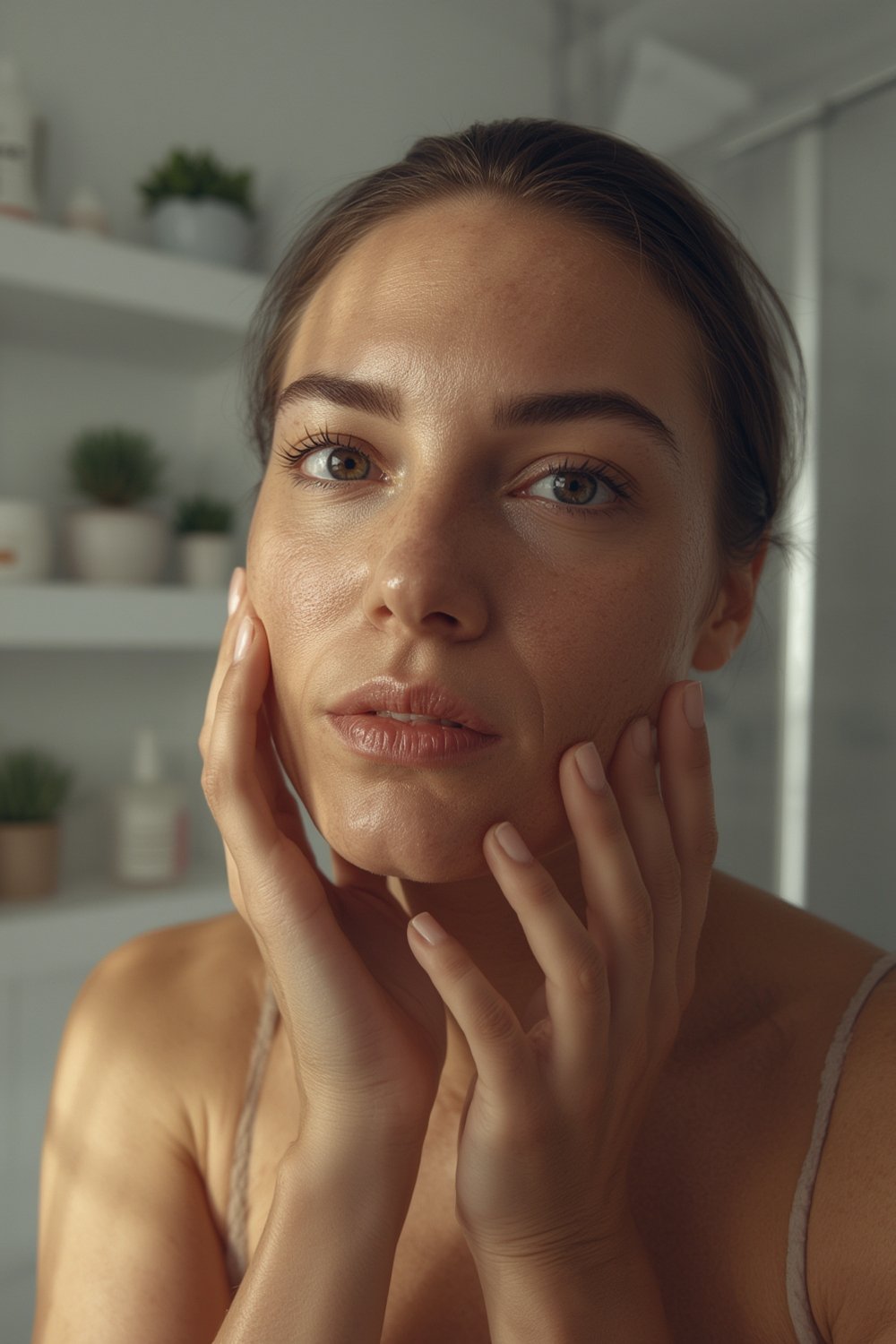
Large pores aren’t “dirty” or broken—they’re a visible part of living, breathing skin. Three main factors drive how noticeable pores look on your face:
- Excess sebum (oil) stretches pore walls, making them look wider. Oily skin types produce more sebum—especially in the T-zone.
- When dead skin cells or debris clog pores, those substances physically distend the opening.
- As you age, your skin loses firmness and collagen. Less elastic skin means the supporting “walls” around each pore relax and become more visible.
According to recent dermatologist research, you can’t shrink pores beyond your genetic set point, but you can minimize how large or textured they actually appear. Physiological data confirms: “Proven causes include excess sebum stretching pores, dead skin/debris accumulation, and loss of skin firmness from reduced collagen/elasticity.”
How skin type—especially oily skin—changes pore size and texture
If you have oily skin, your pores are more likely to look enlarged and feel bumpy. This isn’t just a cosmetic issue: oily skin’s high sebum levels physically stretch the pore’s opening, and the extra oil traps more dead skin, leading to blackheads and further “clogged” appearance. This is why oil-soluble exfoliants matter for those aiming to minimize pores.
Salicylic acid—an oil-soluble beta hydroxy acid—penetrates into pores and dissolves oil-based debris. Clinical studies show that “2% salicylic acid at 2% reduced comedonal acne by 53% in 8 weeks,” which indirectly improves pore appearance by clearing blockages.
Oil control helps, but remember: no routine can turn visible pores “invisible.” Even the best active ingredients require weeks of consistent use.
What dermatological research (2023–2024) actually says about ‘natural’ ingredients
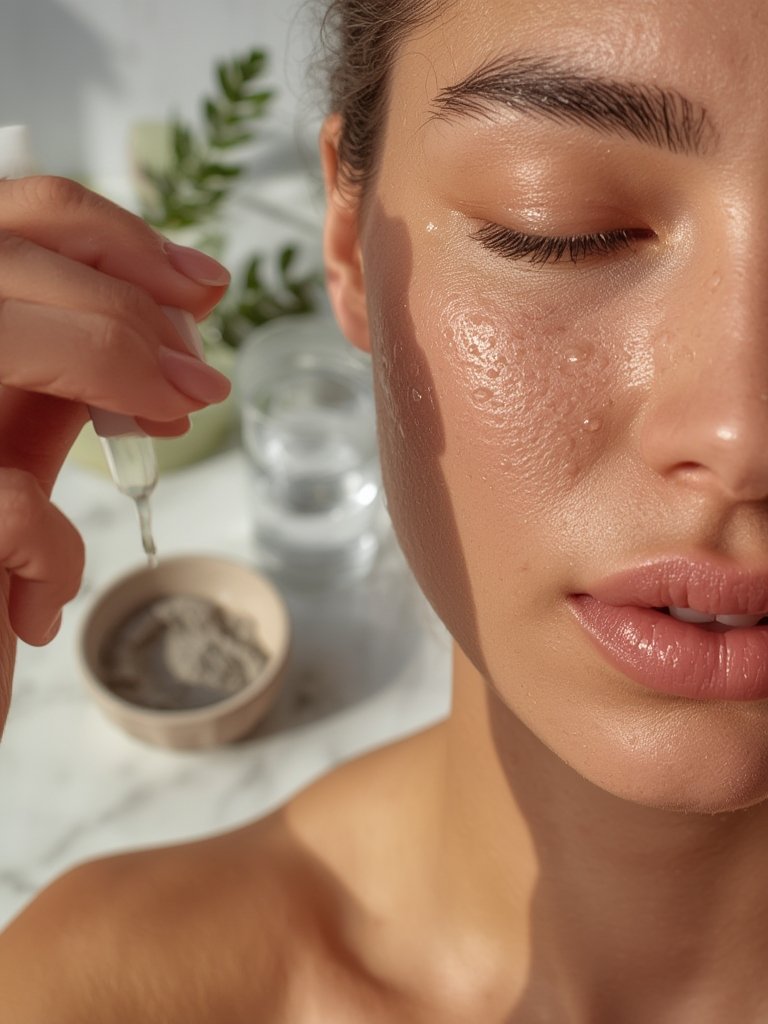
Here’s the reality: modern dermatology studies from 2023–2024 haven’t directly tested plant-based clays, botanical extracts, or “natural” routines for reducing large pores. While many brands market natural solutions for pore-minimizing, the available science only confirms:
- Clay masks (kaolin, bentonite) offer temporary tightening by absorbing oil, leading to pores appearing smaller—until your skin produces oil again. No long-term or quantified reduction is proven.
- Hyaluronic acid (sometimes natural-derived) plumps and hydrates skin by holding up to 1000x its weight in water, but does not directly shrink pores.
- Popular natural extract, bakuchiol, supports skin firmness and is gentler than retinol—but there’s no pore-size data yet.
Key evidence gap: “No 2023-2024 dermatological research specifically evaluates natural ingredients… Clays provide temporary tightening via oil absorption; hyaluronic acid plumps skin (holds ~1000x its weight in water) but lacks quantified pore-reduction stats.”
Evidence-backed actives vs. natural-only approaches (what dermatology supports)
If your priority is real, measurable improvement, the science-backed actives win over natural-only strategies:
- Niacinamide (vitamin B3): “Reduced visible pore size by almost 20% in studies;” regulates oil and smooths texture. Best at 2–10%, daily, for 8–12 weeks.
- Salicylic acid: “2% reduced comedonal acne by 53% in 8 weeks;” excellent for clearing out oil and debris in oily skin.
- Retinoids: Received “93.6% dermatologist recommendation for large pores/oily skin.” Promote collagen remodeling and improve firmness over weeks to months.
Natural-only routines (think just clay, botanicals, water): provide only surface-level, short-term changes. They currently lack any direct, clinical pore-size data. For lasting, visible improvement, combine the best natural elements (clay masking) with scientifically-backed actives.
See also: Oily skin routine: How to control shine all day
Expert-defined pore-minimizing routine—step-by-step and frequency
The best “pore minimizing routine” is simple, consistent, and tailored to your skin type. Here’s what top dermatologists agree on, supported by the latest research:
- Cleanser: Gentle foaming cleanser, morning and night. Avoid harsh scrubs.
- Salicylic acid (0.5–2%): Use daily on oily or pore-prone areas after cleansing.
- 5% niacinamide serum (2–10%): Apply next; stick with it for 8–12 weeks to start seeing results.
- Retinol or retinoid: Use at night, after cleansing and actives (start 2–3 nights/week). Adjust as tolerated—expect 12+ weeks for significant change.
- Hydrator (Hyaluronic acid): Use daily, especially after actives, to prevent irritation and maintain smoothness.
- clay mask: Once weekly, especially for oily T-zones.
- Sunscreen: Every morning. Sun exposure worsens collagen loss and makes pores appear larger over time.
Timelines to expect: “Salicylic acid (0.5–2%, daily for oily skin); niacinamide (2–10%, daily; 8–12 weeks to see results); retinol nightly (expect 12-week collagen improvements); clay masks weekly; hyaluronic acid for hydration.”
Find ingredient explanations and more in our Anti-Aging skincare: Must Have ingredients for firmer skin and 10 effective solutions for Adult Acne guides.
Practical product guidance—‘natural’ toners, masks and the evidence gap
With “natural” toners and clay masks, you’ll see plenty of bold claims—few are proven. Here’s how to evaluate them:
- Look for products with evidence-backed actives (salicylic acid, niacinamide) even in “natural” formulas.
- Check concentration: Avoid under-dosed plant extracts or clays listed below major ingredients.
- Beware comedogenic oils (coconut, cocoa butter) if oily or acne-prone.
- Pick a toner in the right pH range (4–6) for skin health.
What’s missing: “No 2024 price ranges or documented clinical studies for ‘best’ natural toners for pores appeared in the research results.” Buyer beware—let results and ingredient lists, not hype, guide your decision. Discover more on this in Dark spots causes and treatments that actually work.
Three overlooked but critical subtopics (unique angles to add)
- Lifestyle factors: Poor diet (high-sugar, high-fat foods), lack of sleep, and chronic stress all increase oil production and skin inflammation. Reducing sweets and managing stress help support clearer, less shiny skin.
- Genetic influences: Your natural pore size is mostly inherited. No skincare routine can permanently “shrink” the width of your pores if large pores run in your family, but diligent maintenance makes them less visible.
- Cultural skincare practices: Many regions (e.g., Morocco, Turkey, Korea) have long used clay-based masks, herbal steams, and traditional oils. These can be safe and calming when patch tested and used 1–2x weekly—just don’t expect instant, dramatic results without proven actives.
What we don’t know yet:
- How much natural lifestyle changes alone impact visible pore skin texture in controlled studies
- Whether certain genetic factors make some routines work better for some people than others
- Long-term efficacy or side effect data for regional/cultural pore-minimizing practices
Explore beginner to advanced skincare tips for smooth skin in our full routine series.
Common complaints, negative experiences & what the research did NOT find
What are users most frustrated by? Typical complaints include:
- Sensitivity or dryness after repeated exfoliation
- Sensation of only temporary/“tight” feeling after masks
- Slow results from actives—hard to stick with routines for months
However, clinical searches revealed a key gap: “Search results contain no user-shared complaints, negative experiences, or anecdotal reports on natural pore-minimizing routines.” Without systematic reports, it’s crucial to watch your own reaction and adjust as needed.
| Method | Temporary Result | Long-term Evidence |
|---|---|---|
| Clay masks | Tightens skin, less shine post-use | None published |
| Salicylic acid | Clears pores within days | 53% comedone reduction in 8 weeks |
| Niacinamide | Subtle smoothing weeks 2–4 | ~20% pore size decrease at 8–12 weeks |
| Retinol | Improves firmness in months | 93.6% dermatologist recommend for pores |

When natural methods aren’t enough—medical interventions and when to refer to a dermatologist
If your large pores remain prominent after 8–12 weeks, or you experience severe oiliness, persistent blackheads, or skin thickening, it may be time for professional help. Deep, dilated pores, significant photoaging, or lack of response to over-the-counter routines all warrant a dermatologist referral. Standard interventions include topical prescription retinoids or in-office procedures (microneedling, lasers, peels).
Across major reviews, “Dermatologist consensus (93.6% recommendation) supports retinoids for large pores and oily skin.” Seek medical advice for personalized, stronger solutions if natural approaches and standard actives fall short.
How to set measurable expectations—metrics, timelines and documenting progress
To avoid disappointment, track your improvement scientifically—not just with the mirror. Here’s how:
- Take high-resolution “before” photos under the same lighting and angle (e.g., left cheek, 9am) every 4 weeks.
- If possible, test sebum output with blotting sheets as an objective measure.
- Some clinics or apps offer digital pore-count or texture scoring for clinical accuracy.
Realistic timelines are 8–12 weeks for improvements from niacinamide or retinol; most natural-only methods lack published, quantitative before-and-after data (“No quantitative results or before-and-after clinical images for only natural methods were found.”). Expect visible but realistic progress—not perfection.
Actionable 8–12 week natural-forward protocol (what a reader can try today)
Natural-Forward Pore Minimizing Routine: 8–12 Weeks
- AM: Gentle cleanse + 2% salicylic acid toner (or serum); follow with 5% niacinamide serum, then lightweight moisturizer. SPF always.
- PM: Double cleanse if wearing makeup. Apply niacinamide, then retinoid (2–3x/week to start; work up nightly). Hydrate with hyaluronic acid serum and basic moisturizer.
- Weekly (Sat/Sun): Apply a clay mask (kaolin or bentonite); leave on for 10 minutes. Moisturize after.
- Lifestyle tweaks: Prioritize 7–8 hours sleep, balanced diet, and stress reduction.
- Checkpoints: Take a clear photo every 4 weeks. Watch for irritation (redness, stinging), and pause new actives if needed.
Red Flags: If you develop persistent redness, peeling, or new breakouts, stop the routine and consult a dermatologist.
You’ll find more detailed breakdowns in Minimalist skincare routine: fewer products, better results and our Acne scars: How to reduce them effectively article.
Conclusion
Managing How to Minimize Large pores Naturally isn’t about chasing instant fixes. Focus on daily oil management, proven actives, and realistic tracking for progress you can see and feel. While all-natural solutions can complement your skincare, the biggest changes come from science-backed routines—with a dose of patience. Document your journey, stick with it for 8–12 weeks, and don’t hesitate to seek expert help if your pores stay stubborn.
Ready to take control? Start your routine today and bookmark this guide for your next self-check.
FAQ & myth-busting (short evidence-based answers)
Can pores really “open” or “close” with toners or cold water?
No. Pores aren’t doors. They don’t open or close—cold water and some astringent toners can temporarily make them appear tighter by slight constriction, but real shrinkage only comes from oil reduction and firmer skin structure (AAD).
Are clay masks a permanent pore solution?
No. Clay masks provide short-term tightening by absorbing excess oil, but don’t permanently reduce pore size. Their effects last a few hours to days, not weeks.
Does diet or lifestyle really impact pore size?
Yes, but mostly indirectly. Diets high in sugar and fat can increase oil production. Poor sleep and high stress are linked to more sebum and inflammation, making pores appear worse. Scientific, controlled data is still lacking on the exact magnitude of these effects.
Are natural ingredients like witch hazel or green tea proven to minimize pores?
No 2023–24 studies directly measure pore size change from these. Some may temporarily soothe or reduce oil, but quantifiable, lasting effects haven’t been shown in the research.
What’s the fastest way to minimize pores naturally?
There’s no instant, safe fix. For quick improvement, clean your skin, use a cold compress, and apply a clay mask. For real, longer-term results, stick with salicylic acid, niacinamide, and retinoids for 8–12 weeks.