

### Blog Post:
Dry vs Dehydrated skin : what’s the difference ? is a question that confuses almost everyone, even skincare enthusiasts. If your skin feels tight, dull, and doesn’t respond well to basic moisturizers, you need to know exactly what’s going on beneath the surface before you reach for another product.
Key Takeaways
- Dry skin means a lack of oils (lipids); dehydrated skin means a lack of water—so you can have oily and dehydrated skin at once.
- The right solution depends on the true diagnosis: hydration (humectants) for dehydration, richer creams and barrier builders for true dryness.
- Improvements are real, but expect visible results in 4 to 12 weeks based on clinical evidence—stick to a realistic timeline and evidence-based routine.
- Dry vs. Dehydrated skin — the quick diagnostic
- How each feels and looks — symptoms & daily pain points
- Hydration vs. moisture — the biology you need to know
- What damages the skin barrier (and how that shows up)
- Simple tests and timelines — how to know if you’re improving
- The no-fail daily routine (AM & PM) — what to keep and what to ditch
- Ingredient playbook — what each type does and examples
- Product targeting — differences between “for dry skin,” “for dehydrated skin,” and “barrier repair” formulations
- Common failures and how to fix them (forum & review-based complaints)
- When to see a dermatologist — red flags & likely interventions
- Quick reference — 30/90/180 day plan and product shortlist
- FAQ
Dry vs. Dehydrated skin — the quick diagnostic
Dry skin is a chronic, intrinsic state where your skin does not produce enough natural oils (lipids/sebum). Dehydrated skin, on the other hand, is a temporary condition marked by a lack of water, even if your face is oily. The confusion comes from their overlapping symptoms: both may feel tight or look dull, but only one truly needs richer oils. You can do a quick self-check by gently cleansing, waiting one hour, and observing: if skin feels rough, scaly, or flaky without much shine, that’s true dryness. If your face feels tight but still gets shiny mid-day or breaks out, you likely have dehydration.
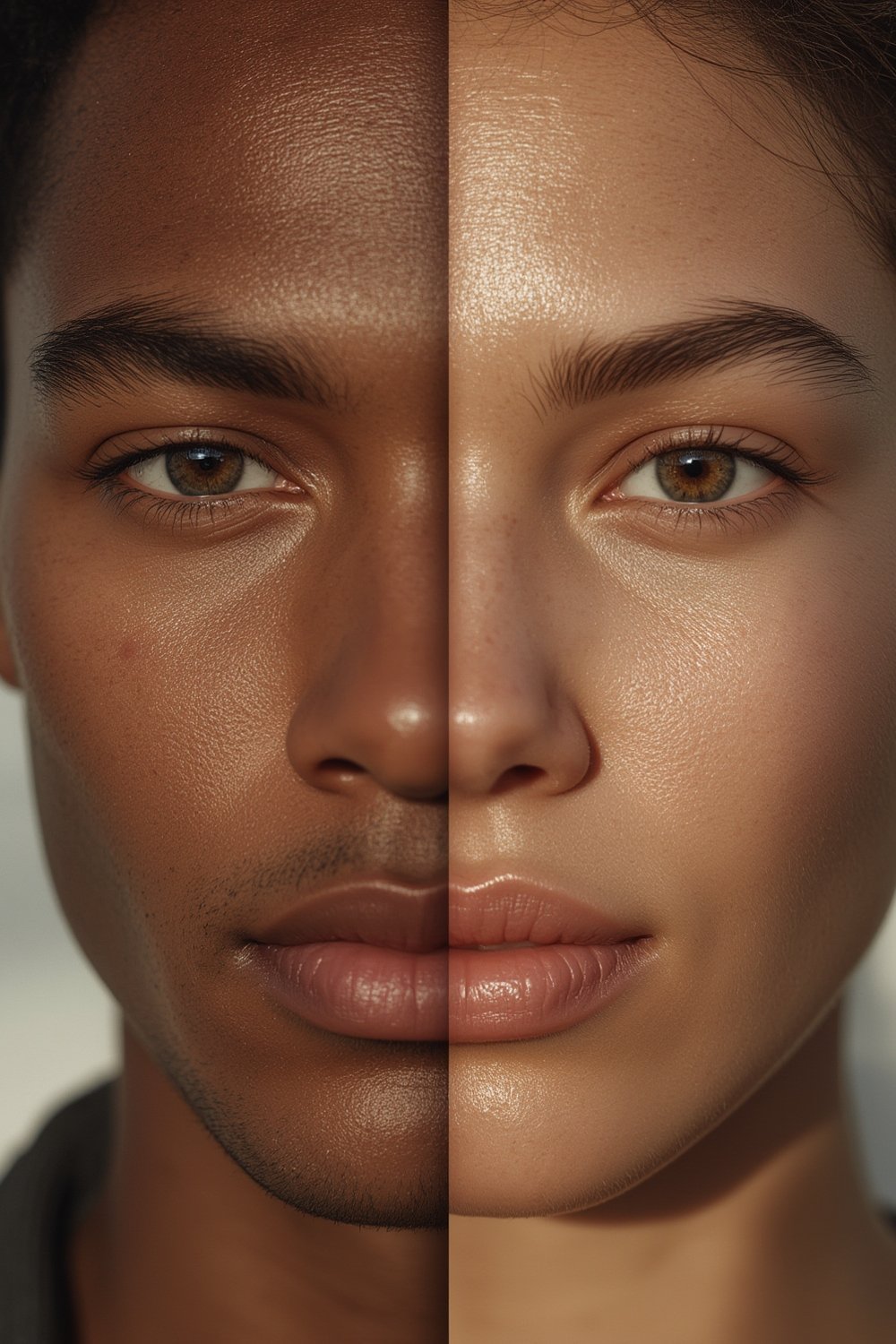
Why does the distinction matter? Clinical studies show that fixing the wrong issue (using heavy creams for dehydration, or just hydrating serums for true dryness) may make things worse. Emerging split-face studies found targeted serums—matched to skin needs—delivered measurable differences in tone and texture over eight weeks (source).
How each feels and looks — symptoms & daily pain points
Here’s how to tell them apart in daily life:
- Dry skin: persistent flakiness, rough patches, irritation, barely any shine, visible fine lines, uncomfortable after any cleansing.
- Dehydrated skin: tight skin feeling, dull or “papery” look, exaggeration of fine lines, makeup clings or “pill”, oiliness with underlying tightness, worsening with weather changes.
Quick cues:
- If your tight skin feeling gets worse after showers or air travel, or improves a lot after hydrating products, that’s a sign of dehydrated skin.
- If flakiness or roughness persists no matter how much you moisturize and rarely feels oily, that’s mostly dry skin.
Clinical evidence supports this: studies comparing barrier-focused (like niacinamide-based Serum B3) versus harsher therapies (such as hydroquinone) found higher global tolerance—84.8% for niacinamide serums versus 59.4% for HQ in three months of use (source). Translation: when you treat the underlying dryness or dehydration appropriately, your skin will become more resilient with fewer daily frustrations.
Related reading: 10 effective solutions for Adult Acne – for those with both breakouts and dryness.
Hydration vs. moisture — the biology you need to know
Hydration means water content inside your top skin layers (epidermis), maintained by ingredients called humectants (like hyaluronic acid and glycerin). Moisture refers to the lipid “seal”: oils and emollients that lock in the water and prevent water loss. If hydration drops, TEWL (trans-epidermal water loss) spikes, weakening the skin barrier. If your skin is dry, its lipid shield is thin or incomplete, causing chronic irritation and flaky texture.
Clinical trials show that combining antioxidants (like vitamin C), niacinamide, and humectants yields visible improvements in skin clarity and evenness by 60 days—reducing luminosity differences 7–17% and improving barrier function (source).
To reinforce your skin, you may also find our guide on Redness and sensitive skin : Best Practices for Calm skin useful if your routine burns or stings easily.
What damages the skin barrier (and how that shows up)
Damage skin barrier is more common than you think. Overusing acids or retinoids, using harsh cleansers, or scrubbing with rough textures (even towels) all chip away at your natural defense. The signs: red patches, stinging, chronic dryness even after applying balm, new sensitivity to products you once used with no issue. Environmental triggers—wind, dry air, forced heat—can worsen both dry skin and dehydrated skin symptoms.
Clinical studies confirm that substituting barrier-repair serums (niacinamide, ceramides) for harsh agents improved tolerance and outcomes over three months compared with hydroquinone and similar potent agents (source).
For more on repairing a compromised skin surface, visit our article on Minimalist skincare routine fewer products better results.
Simple tests and timelines — how to know if you’re improving
The good news: you can track your skin’s health by feel and look—even without magnifying mirrors. Do small patch tests (inside elbow or jawline) before trying new products. Mark a calendar with a 2, 4, and 8-week check: is the tightness improving, do flakes persist, is the tone more even? For hydration, changes can be noticed in as little as two weeks; for full barrier repair, studies show visual improvements often show up around the 8-week (2-month) mark, with most robust changes by three months (source).
Dehydration can lift faster, but deep dryness needs patience. Don’t expect an overnight glow: aim for 4–12 weeks of steady, ingredient-focused care.
If in doubt, review the Dark spots causes and treatments that actually work to cross-check if hyperpigmentation may also play a role.
The no-fail daily routine (AM & PM) — what to keep and what to ditch
Ready to tackle that skin routine? Here’s what actually works for most people, based on clinical trial evidence—tailored for dry or dehydrated skin.
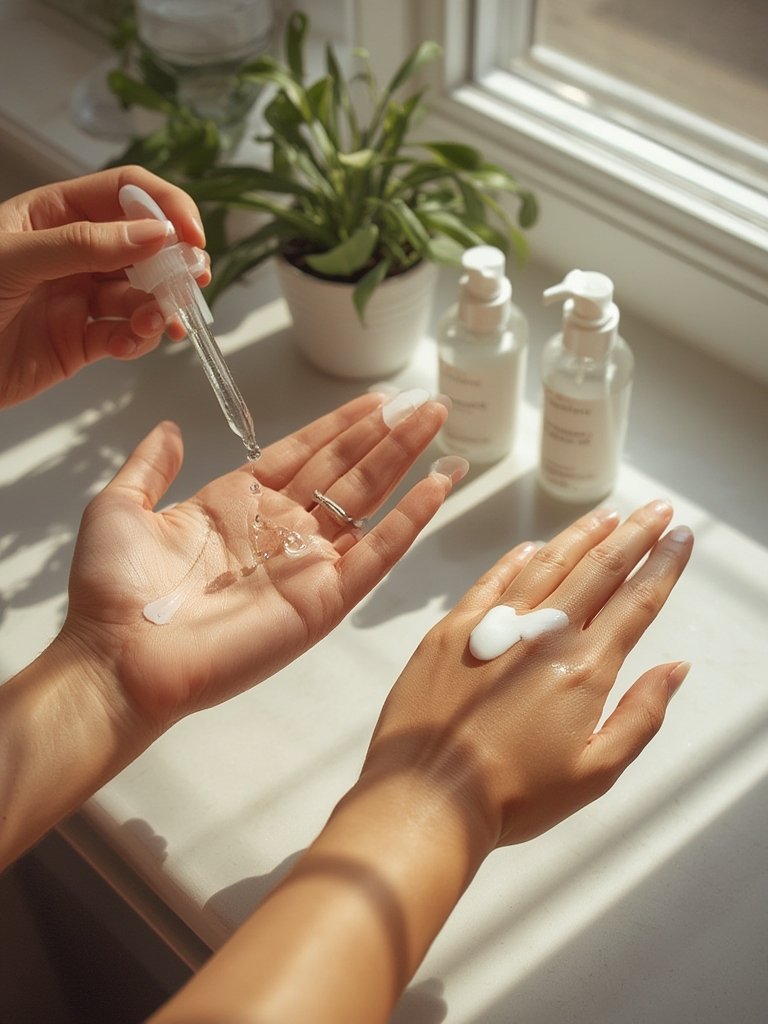
Routine for Dehydrated Skin
- Morning: Gentle cleanser —> hydrating serum with hyaluronic acid + vitamin C —> lightweight, non-comedogenic moisturizer —> SPF 30
- Night: Gentle cleanse —> hydrating serum —> light moisturizer or gel —> (optional: occlusive balm on key areas)
Routine for Dry Skin/Barrier Compromised
- Morning: Creamy, non-foaming cleanser —> niacinamide or ceramide serum —> CeraVe Moisturizing Cream —> sunscreen
- Night: Rich cream cleanser —> barrier repair serum —> heavy cream or ointment —> (use a humidifier as “bonus” if indoor air is dry)
Starter plan: Begin with only one new active (serum or cream) at a time. Stick for 1 week, watch for any redness or stinging, then layer on the next. By three months, clinical studies (reference) show most users see visual and textural improvements.
Looking to simplify? See our Minimalist skincare routine primer for streamlining steps.
Ingredient playbook — what each type does and examples
The secret to a good hydrating skincare routine is knowing what you’re putting on—and when. Here’s a quick breakdown:
- Humectants: Pull water into skin (hyaluronic acid, glycerin, panthenol). Best under moisturizer, on damp skin.
- Occlusives: Trap moisture by forming a barrier (petrolatum, dimethicone, shea butter). Use sparingly if prone to clogged pores.
- Emollients: Smooth roughness and fill gaps in lipid layers (fatty acids, squalane, hemp oil).
- Barrier-repair actives: Niacinamide, ceramides — encourage lipid synthesis and soothe irritation. Strong clinical backing for both (source).
- Gentle exfoliants: Low % AHA/BHA; use only once or twice a week on dry skin. Never combine with strong actives in same routine.
- Antioxidants: Vitamin C, vitamin E — prevent skin dullness (more details).
For deeper dives on ingredient roles, our Anti-Aging skincare: Must Have ingredients for firmer skin covers retinol, peptides, and more.
Product targeting — differences between “for dry skin,” “for dehydrated skin,” and “barrier repair” formulations
What’s on the label matters, but don’t take it as gospel. Here’s how to decode product categories:
| For Dry Skin | For Dehydrated Skin | Barrier Repair |
|---|---|---|
| Rich creams Emollients (shea butter, squalane) Occlusives |
Hydrating serums (hyaluronic acid, glycerin) Gel-creams Light moisturizers |
Ceramide serums Niacinamide repair creams Mild, pH-balanced cleansers |
Layering tip: always start with the thinnest (serum) texture, end with thickest (cream or ointment). Pick-list:
- Dry skin: CeraVe Moisturizing Cream, La Roche-Posay Lipikar Balm, Squalane Oil
- Dehydrated skin: Neutrogena Hydro Boost Gel, The Ordinary Hyaluronic Acid 2% + B5, Vichy Mineral 89
- Barrier repair: Paula’s Choice Omega+ Complex Serum, CeraVe Hydrating Cleanser, Eucerin Advanced Repair Cream
Clinical evidence shows niacinamide-based serums can match potent pigment correctors for effect but score higher for comfort and tolerance in barrier-impaired users (clinical trial).
Common failures and how to fix them (forum & review-based complaints)
Why do so many routines stall or backfire?
| Why Routines Fail | How to Fix |
|---|---|
| Relying only on occlusives Using harsh actives early Ignoring product pH and proper layering Switching products too quickly Skipping sunscreen |
Add humectants before creams Introduce actives one per month Use pH-appropriate cleansers (5-6.5) Give new routine at least 8 weeks Protect daily with SPF |
Clinical studies confirm: irritation (like redness or burning) is more common with “stronger” agents like hydroquinone (only 59.4% tolerance at 3 months) versus gentler, barrier-focused options (niacinamide regimens, 84.8% tolerance) (reference).
Need to address post-acne marks too? Acne scars: How to reduce them effectively covers options that won’t compromise your barrier further.

When to see a dermatologist — red flags & likely interventions
If you’ve stuck to a hydrating skincare routine for 8–12 weeks and you’re still dealing with damage skin barrier, redness, stinging, or suspicious changes, book a dermatologist visit. Persistent irritation, flares after every product, or rapid texture changes may need prescription creams or in-office care.
Dermatologists often prescribe barrier repair creams, tailored humectant serums, or sometimes prescription-strength actives. Multi-step, measured regimens over weeks—using combo actives like vitamin C, niacinamide, and retinoids—are commonly recommended with close monitoring (reference).
Don’t delay real help—waiting too long can deepen long-term sensitivity or worsen dehydration.
Quick reference — 30/90/180 day plan and product shortlist
Use this quick checklist to set and track your dry vs. dehydrated skin progress:
- First 30 days: Introduce one new hydrating serum or rich cream. Photograph your face weekly to spot subtle changes.
- Next 90 days: Add a barrier-repair serum (niacinamide or ceramide serum), adjust moisturizer as seasons change. Stay consistent.
- By 180 days: Consider adding gentle AHA/BHA or retinoid if desired. If irritation returns, revert to “patch” routine for one week. Reassess if you still experience persistent issues.
Top picks for dry skin:
- CeraVe Moisturizing Cream, La Roche-Posay Lipikar Balm, Squalane Oil
Top picks for dehydrated skin:
- Neutrogena Hydro Boost, Vichy Mineral 89, The Ordinary Hyaluronic Acid 2% + B5
Top picks for barrier-compromised skin:
- Paula’s Choice Omega+ Serum, Eucerin Advanced Repair Cream, CeraVe Hydrating Cleanser
Clinical trials confirm: visible improvements show up at 60 days and continue through 3–4 months of consistent use (source).
Check out Why your skin looks dull and how to fix it if you’re still chasing radiance after barrier repair.
FAQ
Can I have both dry and dehydrated skin at the same time?
Yes, it’s very common. You might lack both water (dehydrated) and oils (dry), so you’ll need both hydrating serums and richer moisturizers to restore balance.
How long does it really take to fix dry or dehydrated skin?
Most clinical trials show visible improvements in 4 to 12 weeks with the right routine and ingredients, but it can take up to six months for full barrier repair in stubborn cases.
How do I know if my skin barrier is damaged?
Redness, stinging, persistent flakiness, and newfound product sensitivity are all key signs of a damaged skin barrier. If moisturizers or serums burn, see a dermatologist.
Can over-exfoliation cause both dryness and dehydration?
Yes. Over-exfoliation strips oils and allows excess water to escape, which worsens both conditions. Reduce frequency and focus on repairing actives like ceramides and niacinamide.
Is sunscreen important for dry or dehydrated skin?
Absolutely. Sun damage worsens dehydration and impairs repair. Always use at least SPF 30 daily, even indoors if exposed to windows.